


Introduction
In vape manufacturing, even a short production stop can create certain costs. Idle operators, delayed shipments, inconsistent output, and wasted oil can all quickly reduce profitability.
That is why vape filling machine maintenance
should not be treated as occasional work. Instead, it should become part of the factory’s daily production routine.
A well-maintained vape filling machine can help improve filling accuracy, reduce clogging, protect key components, and keep production running at a stable and predictable pace. For cannabis oil producers working with thick extracts such as distillate, live resin, THC, or other high-viscosity oils, proper maintenance is especially important.
This guide covers the most common maintenance issues in vape cartridge filling production, cleaning procedures, preventive maintenance schedules, and troubleshooting tips to help reduce downtime.
Why Vape Filling Machine Maintenance Matters
Vape filling equipment handles oils that may vary in viscosity, temperature sensitivity, and flow behavior. Over time, oil residue can gradually build up inside nozzles, fluid pathways, pumps, and valves.
Without regular maintenance, small issues can quickly become production problems, including:
- Clogged nozzles
- Inaccurate filling volume
- Unstable oil output
- Increased product waste
- Longer downtime
For high-volume production facilities, these issues are not only technical problems. They directly affect capacity, labor efficiency, customer delivery schedules, and profit margins.
Daily maintenance helps operators keep machines stable, clean, accurately calibrated, and ready for consistent production.
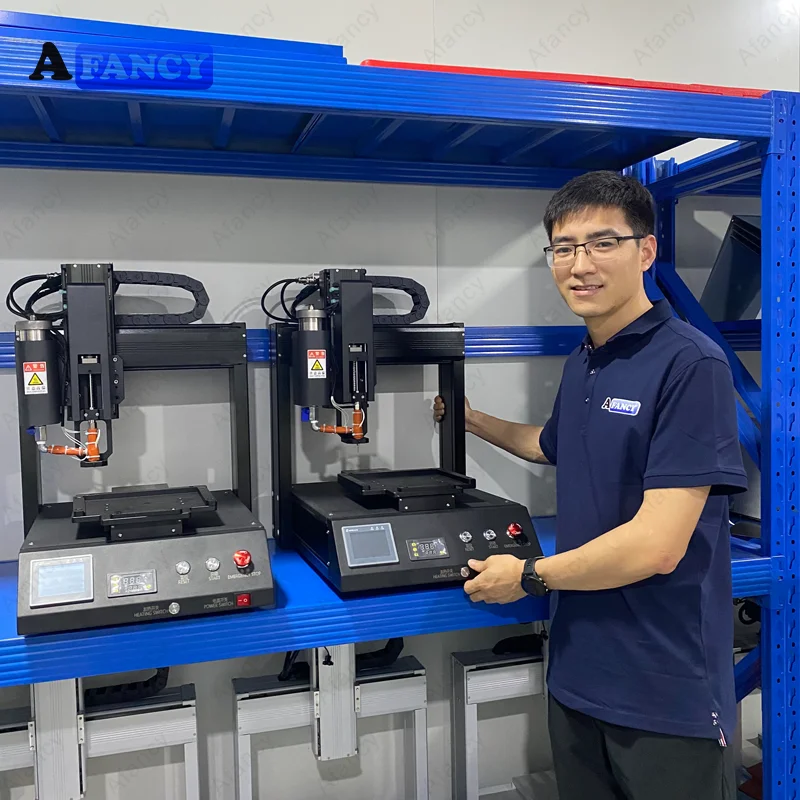
Common Vape Filling Equipment Problems That Cause Downtime
- Nozzle Clogging or Leakage
Nozzle clogging is one of the most common issues in vape cartridge filling. Thick cannabis oil can leave residue inside the nozzle, especially when the machine is not properly cleaned after production.
When too much residue builds up, it may cause poor oil flow, dripping, uneven filling, or even complete blockage.
To reduce this risk, operators should clean the nozzles regularly and adjust the heating system correctly according to the oil being used.
- Unstable Filling Volume
Unstable filling volume can be caused by several factors, including changes in oil viscosity, temperature fluctuations, unstable pressure, clogged nozzles, worn seals, or incorrect calibration.
Even small deviations can create quality control problems, especially for producers filling vape cartridges or disposable vape devices in large volumes.
Regular calibration and pre-production testing help confirm that the machine is dispensing the correct filling volume before full-scale production begins.
- Temperature and Viscosity Issues
Cannabis oil usually requires controlled heating to maintain smooth flow. If the temperature is too low, the oil may become too thick and difficult to fill. If the temperature is too high, it may affect the oil composition or increase residue buildup.
Operators should confirm that the oil tank, pump, needle, and nozzle can all heat properly before production starts.
Stable temperature control is essential for accurate filling and smooth operation.
- Wear of O-Rings, Gaskets, and Fluid Path Components
O-rings, gaskets, tubing, and other oil-contact parts naturally wear over time. Once these components become loose, cracked, or damaged, they may cause leakage, air intake, unstable pressure, or inaccurate filling.
Keeping spare parts in stock allows operators to replace worn components quickly without waiting for international shipping or supplier lead times.
- Calibration or Parameter Drift
As the machine is used over time, its settings may no longer match actual production conditions. This can happen after changing oil types, switching cartridge specifications, replacing parts, or running multiple batches continuously.
Operators should regularly check key parameters, including filling volume, speed, temperature, pressure, and dispensing time.
Preventive Maintenance Schedule for Vape Filling Machines
A clear maintenance schedule helps operators identify issues before they affect production. For most factories, maintenance should be divided into daily, weekly, and monthly procedures.
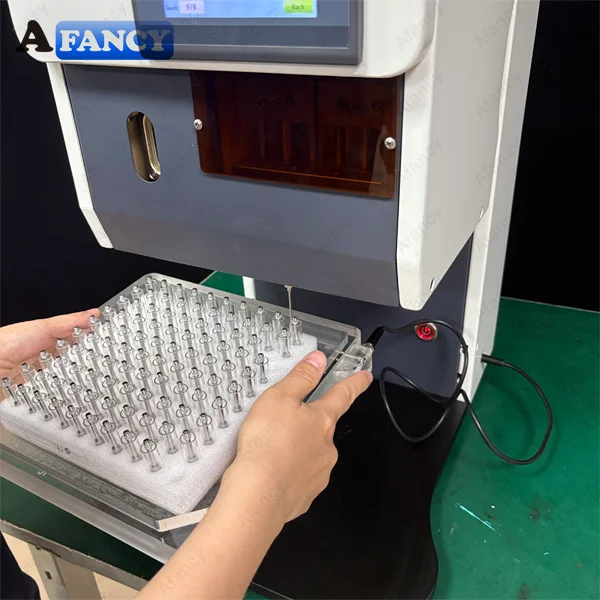
Daily Maintenance Checklist
Before and after production, operators should:
- Check nozzles for oil residue or blockage
- Confirm the temperature of the oil tank, pump, needle, and nozzle
- Check tubing and connections for leakage
- Run a short test fill before formal production
- Clean oil-contact parts after production
- Wipe the machine surface
- Check for abnormal sounds during operation
- Confirm filling accuracy through sample checks
Daily checks are especially important when handling thick oils or multiple oil formulations.
Weekly Maintenance Checklist
Once a week, operators should:
- Inspect valves, fittings, and fluid tubing
- Check O-rings and gaskets for wear
- Review calibration settings
- Confirm that sensors and control systems respond properly
- Clean harder-to-reach oil-contact areas
- Check that moving parts run smoothly
- Confirm that spare parts inventory is sufficient
Weekly maintenance helps prevent hidden issues from gradually accumulating.
Monthly Maintenance Checklist
Every month, operators should perform a more detailed inspection, including:
- Checking pump performance
- Inspecting electrical connections
- Reviewing machine logs or production records
- Replacing worn consumable parts as needed
- Checking heating accuracy
- Confirming that all safety functions work properly
- Reviewing SOPs with operators
Monthly maintenance is also a good time to evaluate whether the current operating parameters are still suitable for the existing oil and filling hardware.
How to Clean a Cannabis Oil Filling Machine
Cleaning is one of the most important parts of cannabis oil filling machine maintenance. Poor cleaning may lead to clogging, cross-contamination, inaccurate filling, and long-term equipment damage.
A basic cleaning process may include:
Step 1: Drain Remaining Oil
After production, drain as much remaining oil from the system as possible. This helps reduce waste and makes the following cleaning process easier.
Step 2: Flush the Fluid Pathway
Run a compatible cleaning solution through the oil pathway, tubing, pump, and nozzles. For thick oils, a heated cleaning process may help dissolve residue more effectively.
Always confirm that the cleaning solution is compatible with the oil and machine materials.
Step 3: Disassemble and Clean Key Parts
Nozzles, needles, O-rings, and gaskets may need to be removed for detailed cleaning. These parts are often where residue builds up most easily.
Step 4: Soak or Wipe Oil-Contact Parts
Use an approved cleaning agent to remove stubborn residue. Avoid harsh or corrosive chemicals, as they may damage seals or leave residues that could affect the next production batch.
Step 5: Dry and Inspect Before Reassembly
Before reassembling the machine, make sure all parts are completely dry and free of cleaning-agent residue. Check parts for wear, cracks, deformation, or blockage.
Troubleshooting Tips to Detect Problems Early
Early detection can prevent small issues from turning into costly downtime. Operators should watch for the following warning signs:
Unstable Filling Weight or Volume
If the machine starts filling unevenly, check for nozzle blockage, temperature changes, air in the fluid pathway, unstable pump operation, or calibration issues.
Nozzle Dripping
Dripping may indicate incorrect temperature settings, worn seals, pressure imbalance, or residue buildup inside the nozzle.
Slow or Delayed Startup
If the machine takes longer than usual to start dispensing smoothly, the oil may not be heated enough, or residue may be present inside the fluid pathway.
Abnormal Noise During Operation
Unusual sounds may indicate loose components, excessive pump load, mechanical friction, or worn parts.
Repeated Clogging
If clogging happens frequently, the issue may be related to oil viscosity, temperature settings, nozzle size, cleaning frequency, or filtration quality.
Best Practices to Reduce Vape Filling Line Downtime
To keep production stable, operators should make maintenance part of the normal production workflow.
Recommended practices include:
- Running a short test before each batch
- Keeping nozzles, O-rings, gaskets, and tubing in stock
- Using suitable temperature settings for different oil types
- Cleaning the machine immediately after production
- Recording common problems and solutions
- Training operators in basic troubleshooting
- Reviewing filling accuracy regularly
- Contacting the equipment manufacturer when problems repeat
Preventing downtime is not only about fixing problems. It is about building a system that helps operators identify and solve issues early.
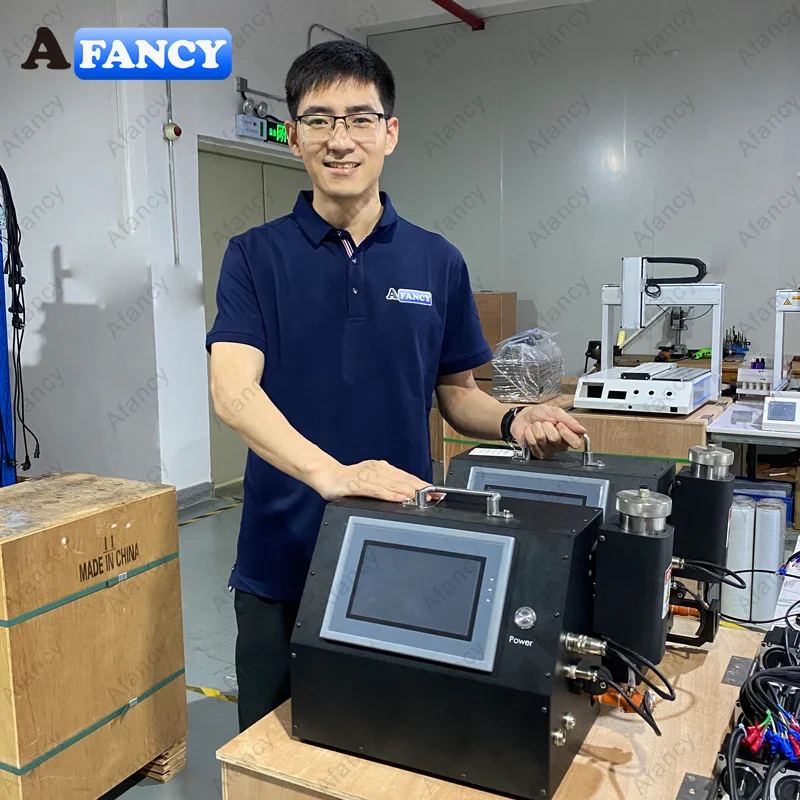
How Afancy Simplifies Vape Filling Machine Maintenance
Afancy vape filling equipment is designed for real production environments, with a focus on filling accuracy, operational stability, and machine uptime.
Our machines support high-viscosity cannabis oils and help operators maintain stable filling performance through:
- Heated oil tanks, pumps, needles, and filling paths
- User-friendly touchscreen controls
- Adjustable filling parameters
- Precision filling systems
- Easy-to-clean oil-contact parts
- Spare parts and after-sales support
- Practical troubleshooting guidance
For producers filling cartridges, disposable vapes, pods, or other cannabis oil devices, reliable equipment and proper maintenance work together to protect production capacity.
Conclusion
Vape filling machine maintenance is one of the most effective ways to reduce downtime, protect equipment, improve filling accuracy, and increase production efficiency.
By following a clear maintenance schedule, cleaning the machine properly, checking key components regularly, and training operators to recognize early warning signs, factories can keep vape filling production running more smoothly.
A clean, accurately calibrated, and well-maintained machine does more than prevent failures. It also helps every batch achieve more stable, predictable, and profitable production results.
Need reliable vape filling equipment for high-viscosity oils?
Afancy provides vape filling machines designed for cannabis oil, THC distillate, CBD oil, live resin, and other high-viscosity extracts.
Contact our team to learn more about machine models, filling accuracy, heating systems, and production line maintenance support.
FAQ
1: How often should a vape filling machine be cleaned?
A vape filling machine should be cleaned after every production run, especially when processing thick cannabis oil. Regular cleaning helps prevent nozzle clogging, residue buildup, cross-contamination, and inaccurate filling.
2: Why does the nozzle of a vape filling machine clog?
Nozzles usually clog because of oil residue, low temperature, high-viscosity extracts, insufficient cleaning, or particles in the oil. Proper heating, oil filtration, and post-production cleaning can help reduce clogging.
3: Why is my vape filling machine producing unstable filling volumes?
Unstable filling volume may be caused by nozzle blockage, temperature fluctuations, air in the fluid pathway, worn seals, unstable pump operation, or incorrect calibration. Operators should inspect the fluid pathway and run test fills before formal production.
4: What spare parts should be kept for a vape cartridge filling machine?
Common spare parts include nozzles, needles, O-rings, gaskets, tubing, fittings, and other oil-contact components. Keeping these parts in stock can reduce downtime when replacement is needed.
5: How can I reduce vape filling line downtime?
To reduce downtime, operators should follow a preventive maintenance schedule, clean the machine after each production run, inspect nozzles and seals regularly, keep spare parts in stock, and run test fills before formal production.
6: Can thick cannabis oil affect vape filling accuracy?
Yes. Thick cannabis oil can affect flow speed, dispensing stability, and filling accuracy. Proper heating, suitable parameter settings, and regular cleaning help maintain stable performance.
7: When should the O-rings and gaskets of a vape filling machine be replaced?
O-rings and gaskets should be replaced when they show signs of wear, deformation, cracking, leakage, or when filling accuracy becomes unstable. Regular inspection helps prevent unexpected downtime.