


Cartridge oil is a high-value material, and even small losses can add up quickly during production. In most cases, oil waste does not come from a single mistake, but from a combination of filling inconsistency, hardware mismatch, and improper handling after filling.
Understanding where oil loss typically occurs is the first step toward improving yield and reducing unnecessary waste.
1. Where Cartridge Oil Is Commonly Wasted
In real production environments, cartridge oil is most often wasted in the following situations:
-
Oil leaking after filling due to overfill or pressure imbalance
-
Inconsistent fill volumes caused by manual filling
-
Oil loss from poorly matched cartridges and filling tools
-
Degradation or leakage caused by improper storage conditions
These issues are process-related, not material-related.
2. Overfilling and Inconsistent Manual Filling
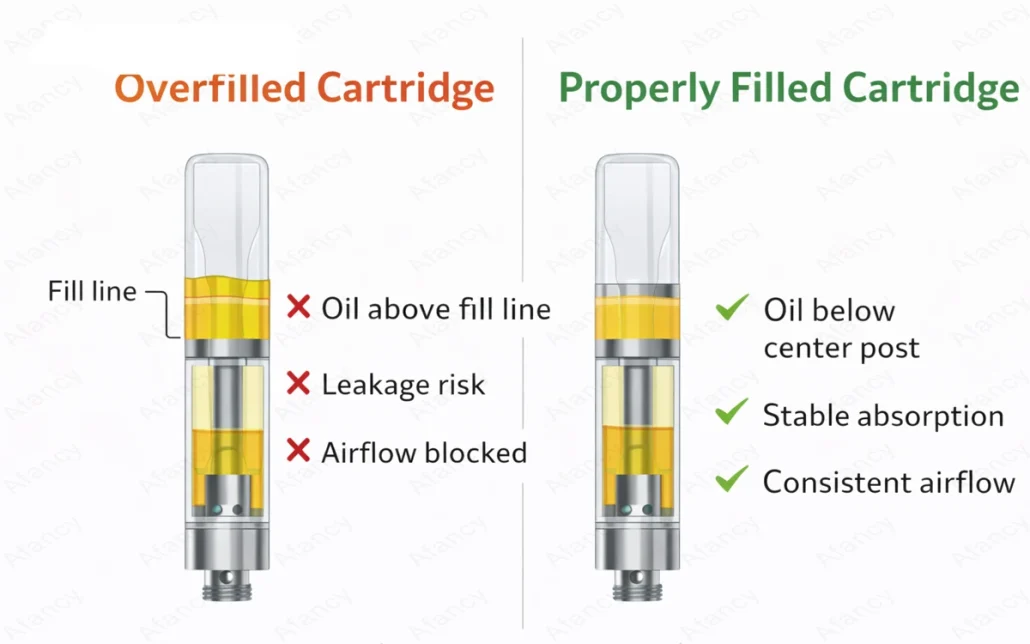
Overfilling is one of the most common causes of cartridge oil waste.
When cartridges are filled manually, it is difficult to maintain consistent volume control across batches. Some cartridges end up underfilled, while others are overfilled. Overfilled cartridges often leak during resting, transport, or temperature changes, leading to direct oil loss.
Leaving proper headspace inside the cartridge is critical for pressure stability and leak prevention.
3. Cartridge Compatibility and Tool Fit
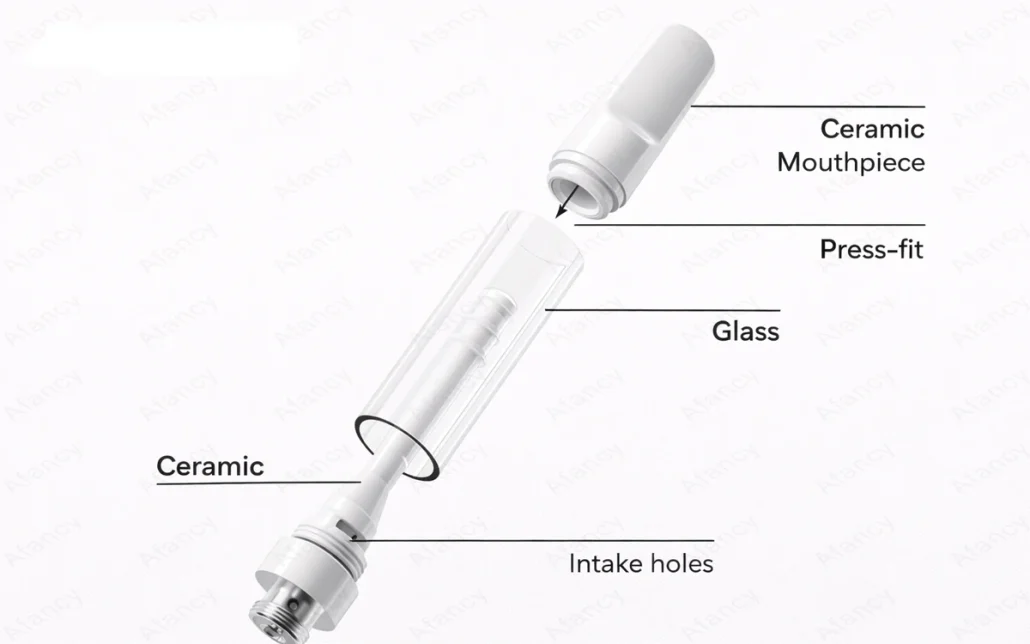
Using filling tools that are not designed for the specific cartridge type can also lead to oil waste.
Poor tool fit may cause:
-
Oil spillage during injection
-
Damage to cartridge components
-
Uneven oil distribution
Filling tools should match the cartridge structure and allow controlled, stable oil transfer without forcing oil into unintended pathways.
4. Storage and Handling-Related Oil Loss
Even when cartridges are filled correctly, improper storage can still result in wasted oil.
Common storage-related issues include:
-
Exposure to excessive heat
-
Large temperature fluctuations
-
Horizontal or inverted storage immediately after filling
Cartridges should be stored upright in a cool, dark environment and allowed adequate stabilization time after filling.
5. Why Controlled Filling Equipment Reduces Oil Waste
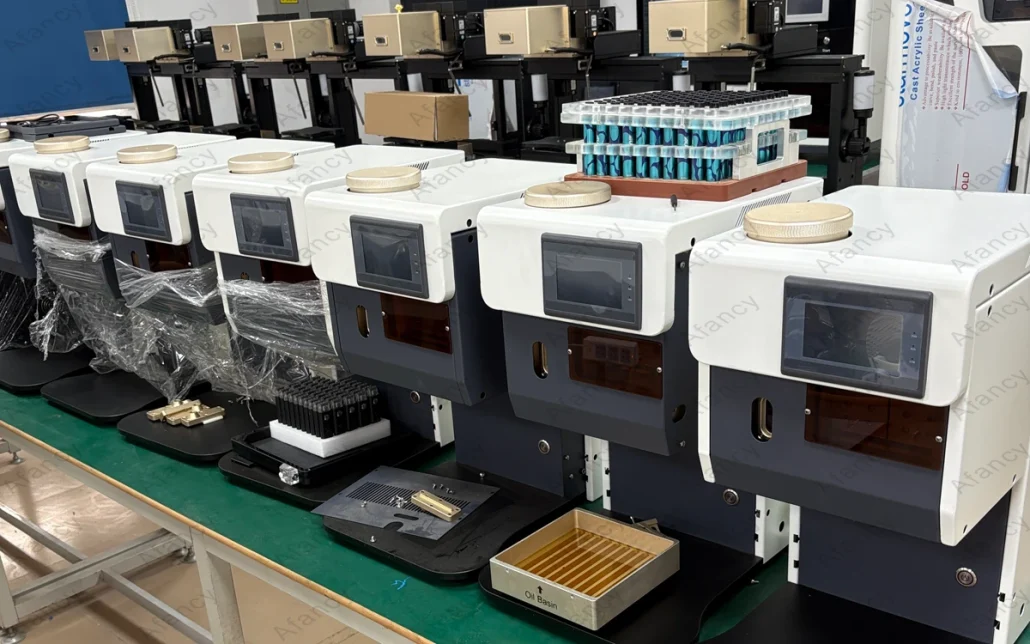
Controlled vape cartridge filling machines are designed to address the main causes of oil waste in production.
Compared to manual filling, properly configured filling equipment can:
-
Maintain consistent fill volumes
-
Reduce overfilling and spillage
-
Improve repeatability across batches
-
Lower the risk of contamination
For manufacturers working with high-value oils, even small improvements in filling accuracy can result in significant cost savings over time.
6. Practical Takeaways for Manufacturers
Reducing cartridge oil waste does not require complex solutions. It requires process consistency.
Key areas to focus on:
-
Accurate volume control
-
Proper cartridge and tool compatibility
-
Stable temperature management
-
Correct post-filling handling and storage
When these factors are controlled, oil waste is reduced naturally as part of a stable production process.
Final Thoughts
Wasting cartridge oil is rarely caused by the oil itself.
In most cases, it is the result of inconsistent filling, improper handling, or lack of process control.
By improving filling accuracy and standardizing production conditions, manufacturers can protect material value, improve yield, and maintain consistent product quality.